
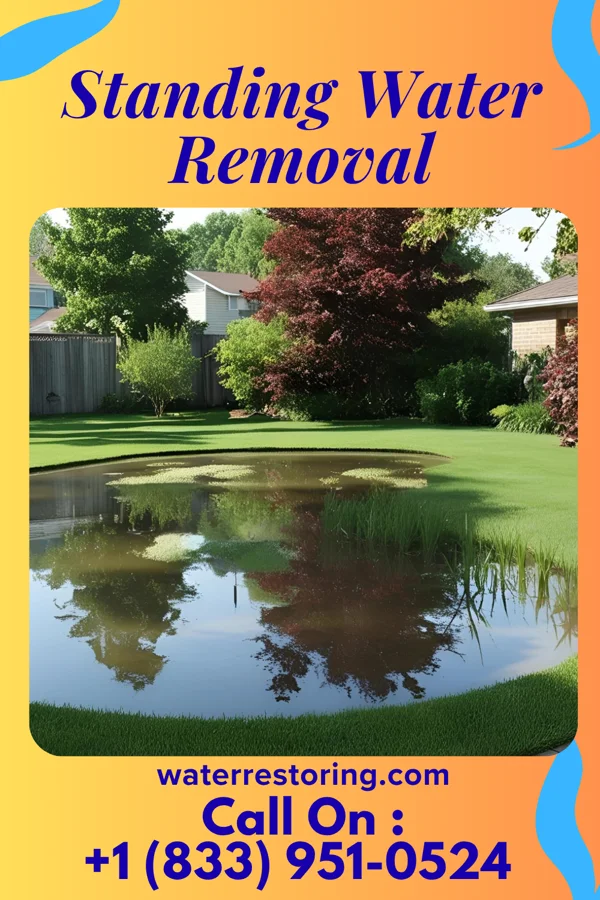
Why Hardin Sees Standing Water Often
The pattern in Hardin is consistent. In Hardin, Montana, the primary water damage cause is often due to burst pipes in rural homes, especially during the harsh winter months when frozen pipes can rupture. Additionally, heavy spring snowmelt can lead to flooding in low-lying areas near rivers and streams, causing significant water intrusion in residential and agricultural properties. drives most of the emergency restoration calls we get. A close second is Secondary causes include leaks from aging infrastructure, such as old septic systems and underground water lines, and occasional flash flooding from sudden rainstorms. These events are more common in the spring and early summer when the region experiences rapid temperature changes and increased precipitation..
Hardin's semi-arid climate, combined with its location near the Yellowstone River, creates a unique risk profile. The area experiences extreme temperature fluctuations, which can lead to pipe bursts, and occasional heavy rainfall that overwhelms drainage systems, increasing the likelihood of water damage.
Hardin's semi-arid climate, combined with its location near the Yellowstone River, creates a unique risk profile. The area experiences extreme temperature fluctuations, which can lead to pipe bursts, and occasional heavy rainfall that overwhelms drainage systems, increasing the likelihood of water damage. The dominant local driver is In Hardin, Montana, the primary water damage cause is often due to burst pipes in rural homes, especially during the harsh winter months when frozen pipes can rupture. Additionally, heavy spring snowmelt can lead to flooding in low-lying areas near rivers and streams, causing significant water intrusion in residential and agricultural properties., with Secondary causes include leaks from aging infrastructure, such as old septic systems and underground water lines, and occasional flash flooding from sudden rainstorms. These events are more common in the spring and early summer when the region experiences rapid temperature changes and increased precipitation. showing up as the next most common cause. Damage builds in stages. Spread. Absorption. Microbial growth. Structural compromise. Every stage you pass through adds to the final bill.